


The endoscopic spine surgery success rate reported across published clinical studies falls between 85% and 95% in appropriately selected patients, outcomes that match or exceed traditional open surgery with far less tissue disruption. That range is a starting point, not an answer.
What those numbers measure, what moves them up or down, and whether your condition fits the approach are the questions worth asking before you agree to any operation. Endoscopic spine surgery is all we do at ESINY, and this is how we walk patients through the evidence.
Key Takeaways
- Published success rates run 85%–95% in carefully selected patients. Single-level, contained disc herniations do best.
- “Success” usually means meaningful pain reduction plus restored function at 1- and 2-year follow-up, not zero pain.
- Patient selection and surgeon volume move outcomes more than the technology does.
- Recovery is measured in weeks, not months, and most patients go home the same day.
- The approach is not appropriate for significant instability, multilevel fusion needs, active infection, or severe deformity.
What Is Endoscopic Spine Surgery?
Endoscopic spine surgery uses a small camera and specialized instruments passed through an incision often smaller than 1 cm to treat spinal conditions without large cuts or muscle stripping. Think of it as repairing a pipe through a keyhole instead of tearing out the wall: the surgeon works from a live, high-definition video feed and leaves the surrounding tissue alone. It is ESINY's exclusive focus, not one procedure among many.
One distinction is worth knowing. The full endoscopic technique places the camera and the instruments through a single working channel, giving the surgeon a direct operative view for the whole procedure. Endoscope-assisted surgery uses the camera only for visualization while instruments go through separate incisions. They are not the same thing, and the difference shows up in the outcome data.
Common conditions treated include herniated discs, spinal stenosis, and foraminal narrowing. And to settle a question that comes up constantly: endoscopic spine surgery is not laser spine surgery. A laser is one optional tool that may be used during a procedure. It does not define the approach.
Endoscopic Spine Surgery Success Rate: What the Numbers Show
So what does the endoscopic spine surgery success rate actually look like when you break it apart? A single headline figure hides more than it reveals. Success here does not mean surviving the procedure. It means meaningful pain reduction, restored physical function, and patient-reported satisfaction, measured at 1-year and 2-year follow-ups.
Procedure | What it treats | What the evidence shows |
|---|---|---|
Full endoscopic discectomy | Contained and extruded lumbar disc herniation | Better than 90% good-to-excellent outcomes, with recurrence near 3% |
Unilateral biportal endoscopic discectomy | Lumbar disc herniation | Comparable to open microdiscectomy, with faster recovery |
Endoscopic transforaminal lumbar interbody fusion | Selected single-level lumbar instability | Strong fusion and pain-relief rates in carefully selected patients |
Endoscopic posterior cervical foraminotomy | Cervical nerve root compression | Reliable decompression with low complication rates |

One of the more useful datasets comes from ESINY's own physicians. In a 2025 International Journal of Spine Surgery study, Dr. Albert Telfeian, Dr. Sanjay Konakondla and colleagues reported that 89.2% of patients had better outcomes after transforaminal endoscopic surgery, 98% would recommend the procedure, and 78.7% returned to work — in a group with a mean age of 68.1. That last detail matters. These were not young, uncomplicated patients.
Comparative safety data points the same direction. A 2026 analysis in Neurosurgical Review reported a 90-day reoperation rate of 0.2% after endoscopic procedures, compared with 1.8% after open surgery.
The field's momentum reflects those results. Research published in the Journal of Minimally Invasive Spine Surgery and Technique found traditional microdiscectomy procedures declining at 5.56% per year as endoscopic discectomy gains ground, a clear signal of shifting confidence among surgeons and patients alike.
How researchers define success
The metrics matter. The Visual Analog Scale (VAS) scores pain from 0 to 10. The Oswestry Disability Index (ODI) measures functional limitation across daily activities. A study counting success at 50% VAS improvement is measuring something different from a patient who expected complete relief. Knowing that before surgery is what makes expectations realistic.
What Actually Determines Your Outcome
Aggregate numbers describe a population. Five variables determine what happens to you.
Patient selection is the primary driver. Single-level disc problems, contained herniations, and no prior surgery consistently produce the strongest results. Complex revision cases and multilevel disease need more careful evaluation.
Surgeon experience matters enormously. The learning curve for endoscopic surgical techniques is steep. Volume and dedicated training correlate directly with outcomes, not just with speed.
Condition chronicity affects nerve recovery. Patients whose nerves have been compressed for years may improve more slowly than those treated earlier, even when the surgery itself goes perfectly.
Technique selection follows anatomy, not preference. The endoscopic lumbar interlaminar approach suits a different patient than the endoscopic transforaminal approach. An experienced surgeon chooses based on your imaging and your pathology.
Post-operative compliance, meaning physical therapy, activity modification and follow-through, shapes the final result after the surgical part is done.
Put simply: the single biggest predictor of a good endoscopic spine surgery success rate is not the technology. It is whether the right procedure was matched to the right patient.
Risks, Benefits, and Honest Tradeoffs
Endoscopic spinal surgery offers real advantages over open approaches, and the evidence supports them:
- smaller incisions
- minimal muscle damage
- reduced blood loss
- lower infection risk
- shorter hospital stays
Same-day discharge is common. Preserving spinal anatomy also matters long term, because less structural disruption means better options if another procedure is ever needed.
The tradeoffs are real too. Operative time can run longer in complex cases. The approach is not appropriate for severe spinal instability, significant deformity, multilevel fusion requirements, or active infection. In a small percentage of cases, surgeons convert to an open procedure mid-operation when anatomy or bleeding requires it. That is a safety measure, not a failure.
Benefits at a glance: incision under 1 cm, same-day discharge, faster return to activity, lower infection risk, anatomy preservation.
Limitations to know: not right for every diagnosis, steep surgeon learning curve, possible conversion to open surgery, longer OR time in complex cases.
How to Know If You're a Candidate
Not every spine condition qualifies. Understanding your patient profile before a consultation saves time and sets honest expectations.
Strong candidates typically have single- or two-level disc herniations, foraminal stenosis causing arm or leg pain, lumbar spinal stenosis with radiculopathy, or recurrent disc herniation after prior open surgery. The approach is also an option for patients who have already had open surgery and need a less invasive route to a new problem.
Patients who are generally not good candidates include those with significant instability requiring multilevel fusion, active spinal infection, severe osteoporosis that compromises bone integrity, or complex structural deformity.
Evaluation usually involves MRI review, physical examination, a detailed symptom history, and sometimes diagnostic nerve blocks to confirm the exact pain source before planning anything. If you are unsure where you fall, a formal spine evaluation is the right next step. It is not a commitment to surgery, just a clearer picture of your options.
Recovery Timeline and What to Expect After Surgery
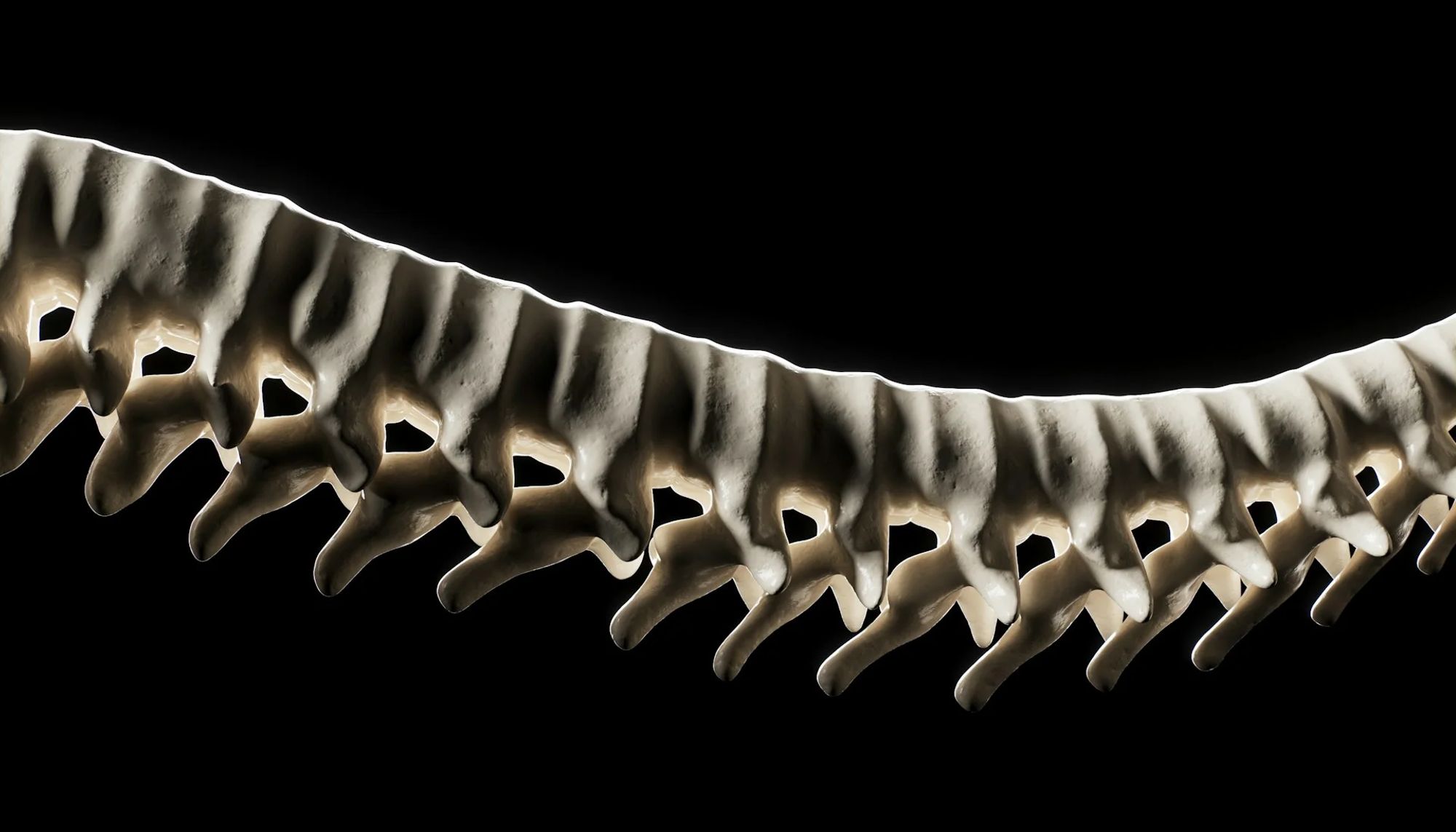
Most patients are surprised by how quickly they are back on their feet. Recovery after surgery looks very different here than after a traditional open procedure, and that is a direct consequence of how little tissue is disturbed.
Recovery generally follows four phases:
- Week 1: wound care, short walks, guided pain management. Most patients feel functional within days.
- Weeks 2–4: activity increases gradually, physical therapy begins, strength and movement patterns return.
- Weeks 4–8: most patients return to desk-based or light work. Heavy lifting and strenuous activity stay restricted.
- 3 months: physically demanding jobs and high-impact activity typically get clearance.
One thing worth naming: some patients feel anxious about re-injury when they start moving again. That is a normal response, and a good surgical team addresses it directly rather than brushing it off.
Why Technique Innovation Is Changing Long-Term Outcomes
Success rates in this field are not fixed numbers. They are improving as the discipline matures, and it helps to understand why.
Visualization has advanced dramatically. High-definition optics give surgeons real-time clarity that translates directly into precision and safety, which is central to the ESINY endoscopic approach. Seeing clearly is not a convenience. It is a contributor to the outcome.
Procedure-specific techniques have expanded what is treatable. Biportal endoscopic methods now reach anatomical targets that once required open surgery, widening the pool of patients who can benefit from a full endoscopic technique.
Formalized training and credentialing are raising the floor. Endoscopic spine surgery has evolved into a specialized discipline with structured training pathways rather than a technique picked up on the side. Dedicated subspecialty training, not general spine surgery volume, is what drives superior results, and that is what lifts the endoscopic spine surgery success rate at the population level.
Questions to Ask Any Endoscopic Spine Surgeon
A quoted success rate means more when you understand the experience behind it. Worth asking:
- How many endoscopic procedures do you perform each year?
- Did you train in full endoscopic technique, or an endoscope-assisted hybrid approach?
- What is your conversion-to-open rate?
- How many cases like mine have you done?
- What outcome should I realistically expect, and by when?
A surgeon who welcomes those questions is a surgeon who takes outcomes seriously.
Frequently Asked Questions
What is a realistic endoscopic spine surgery success rate for my case?
Published studies report 85% to 95% in appropriately selected patients, but your individual likelihood depends on your diagnosis, how long you have had symptoms, whether you have had prior surgery, and how many levels are involved. A surgeon reviewing your MRI can give you a far more useful number than any published average.
Is endoscopic spine surgery the same as laser spine surgery?
No. A laser is an optional instrument that may be used during some procedures. Endoscopic spine surgery is defined by the working channel and the camera, not by whether a laser is involved.
How long does it take to recover from endoscopic spine surgery?
Most patients walk the same day and return to light or desk-based work within four to eight weeks. Physically demanding work and high-impact activity typically get clearance around three months.
What happens if the procedure has to be converted to open surgery?
Conversion is uncommon and happens when anatomy, bleeding, or unexpected findings make the endoscopic approach unsafe. It is a planned safety option discussed with you beforehand, not a complication.
Can endoscopic surgery help if I have already had a fusion?
Often, yes. Recurrent or adjacent-level problems after prior surgery are among the situations where a smaller, targeted endoscopic procedure can be a reasonable alternative to another large operation. It depends on your imaging.
Get Comprehensive Spine Evaluation
Endoscopic spine surgery has earned its outcome record through precise technique, careful patient selection, and a rapidly maturing body of clinical evidence. If you are weighing your options, the next step is a comprehensive spine evaluation: contact us to have your imaging reviewed, talk through your symptoms, and get a clear picture of what to realistically expect based on your individual profile.
This post was written and reviewed by Sanjay Konakondla, MD. Sanjay Konakondla is a leading endoscopic spine surgeon and a founding partner of the Endoscopic Spine Institute of New York.
ESINY is the nation’s first and only endoscopic spine institute and is solely focused on the smallest spine surgery possible. With the world-renowned neurosurgeons and orthopedic surgeons at ESINY and the specialized surgery they have perfected, you can feel confident that you will have the best chance at getting back to the life you deserve with the least amount of surgery.
Call us now at 518 708 6300 or email us directly at contact@esiny.com to schedule a consultation.