
Sciatica Surgery

Sciatica pain does not mean you have to live in constant discomfort or commit to a major spine surgery, even if that is what you have been told. When pain travels from your lower back into your leg, something specific is irritating the sciatic nerve, and that problem often has a precise solution.

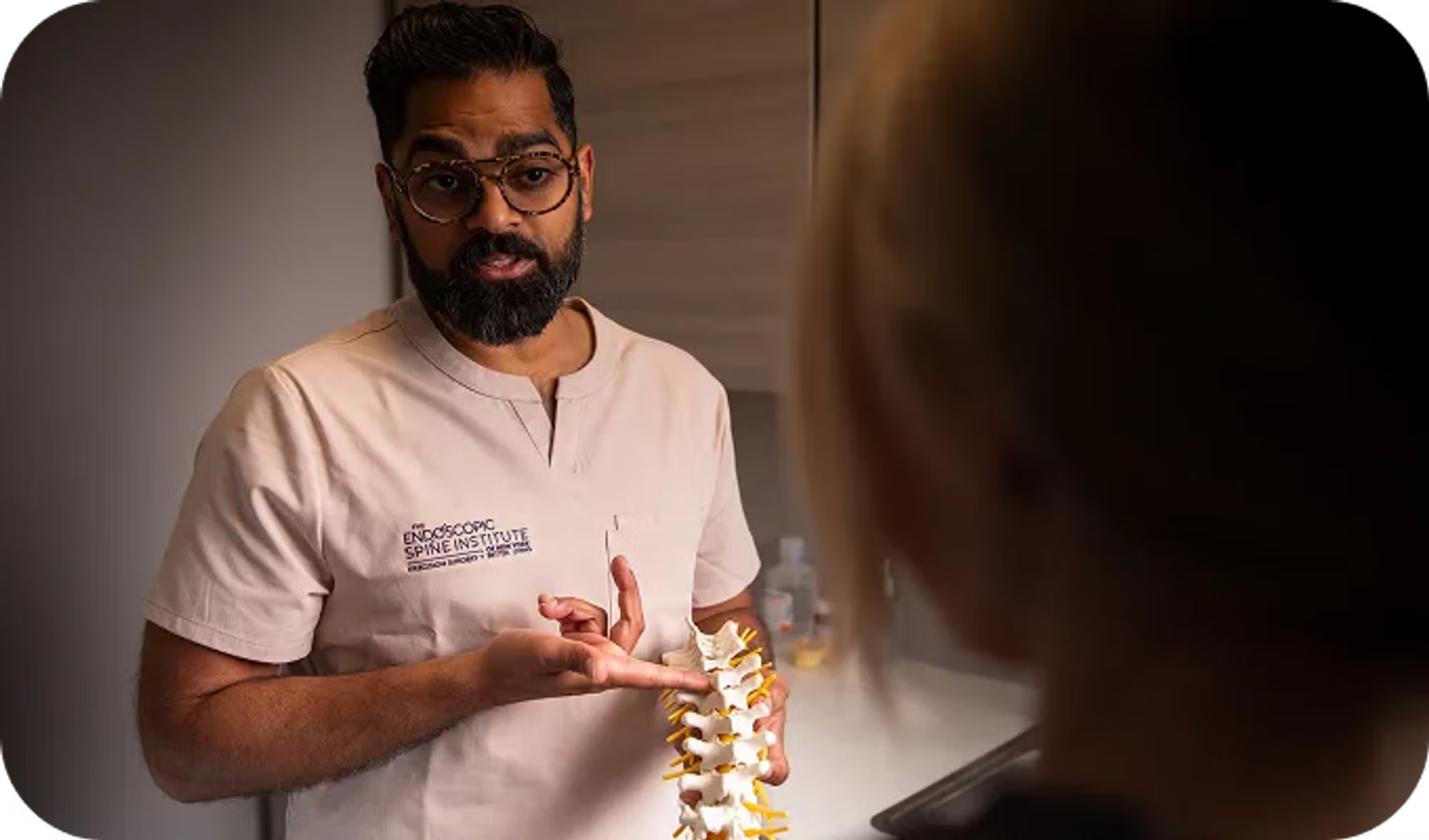
At ESINY, our award-winning New York team treats sciatica using advanced endoscopic spine surgery. We use an incision smaller than 1 cm and image-guided precision to reach the irritated nerve directly. No spinal fusion. No rods or screws. No long recovery. Most patients return home the same day with minimal discomfort and a band-aid.
What Is Sciatica?

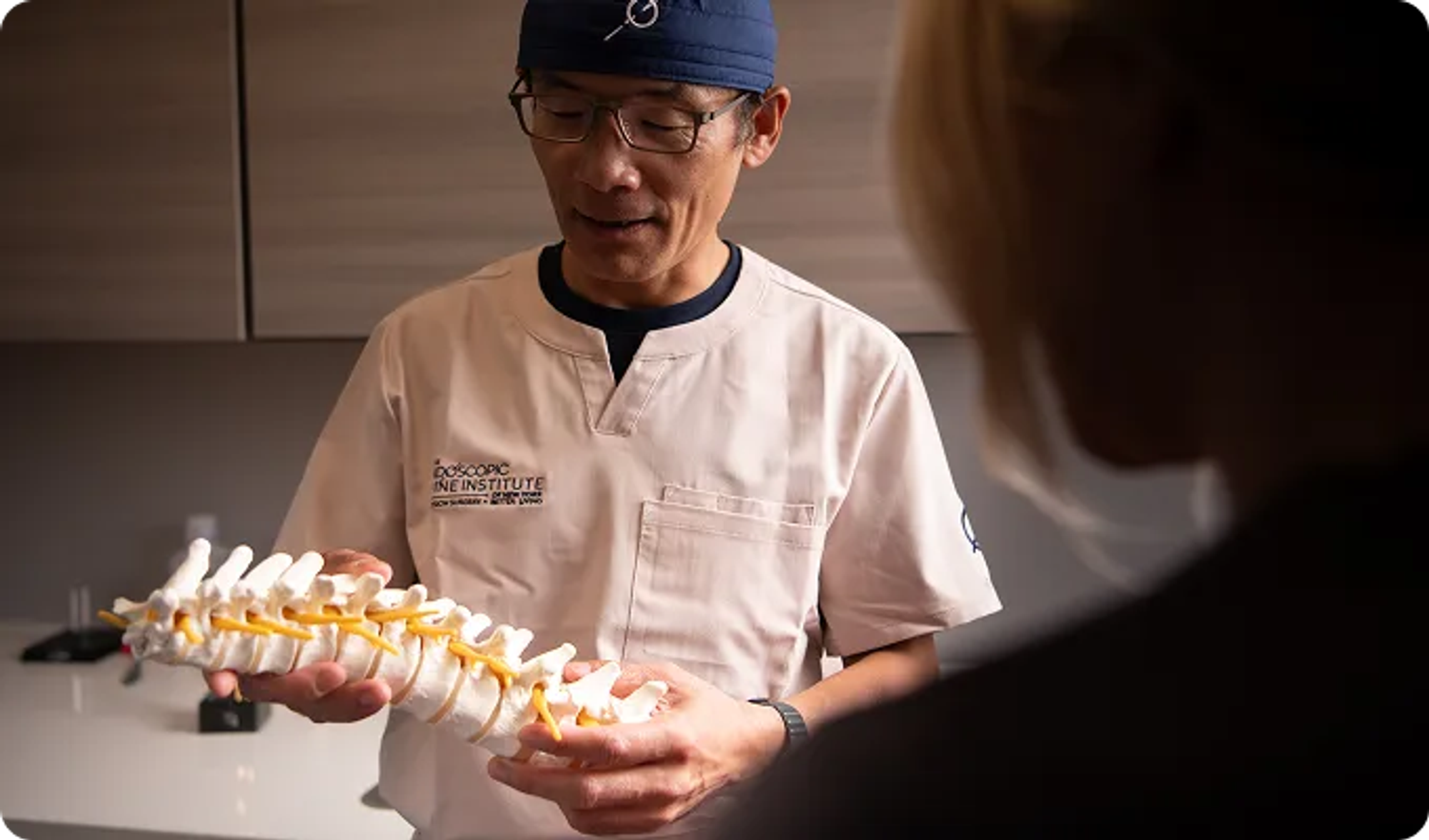
Sciatica refers to pain that follows the path of the sciatic nerve, which runs from the lower spine through the hips and down each leg. Sciatica pain often feels sharp, burning, electric, or deep, and it can affect how you sit, stand, walk, or sleep.

This pain usually comes from pressure or irritation along the nerve roots in the lower spine. Common causes include a herniated disc, spinal stenosis, bone overgrowth, or inflammation that crowds the space where nerves exit the spine. In some cases, conditions like piriformis syndrome (when a small muscle in the glutes spasms) can also contribute to sciatic nerve pain by irritating the nerve outside the spine.

Sciatica is not a diagnosis you need to guess. Imaging and careful evaluation show us exactly where the nerve is being affected.

Your Path to Relief with Endoscopic Treatment

Endoscopic spine treatment offers the most precise, minimally invasive solution for treating your sciatica.

Lowest Risk of Any Spine Surgery

For sciatica treatment, our endoscopic approach keeps risk as low as possible, with an infection rate of just 0.001% and ten times less blood loss than open spine surgery. Most patients return to daily activities faster and avoid the higher complication rates associated with traditional procedures.

Lowest Risk of Any Spine Surgery

Minimally Invasive to Support a Smoother Recovery

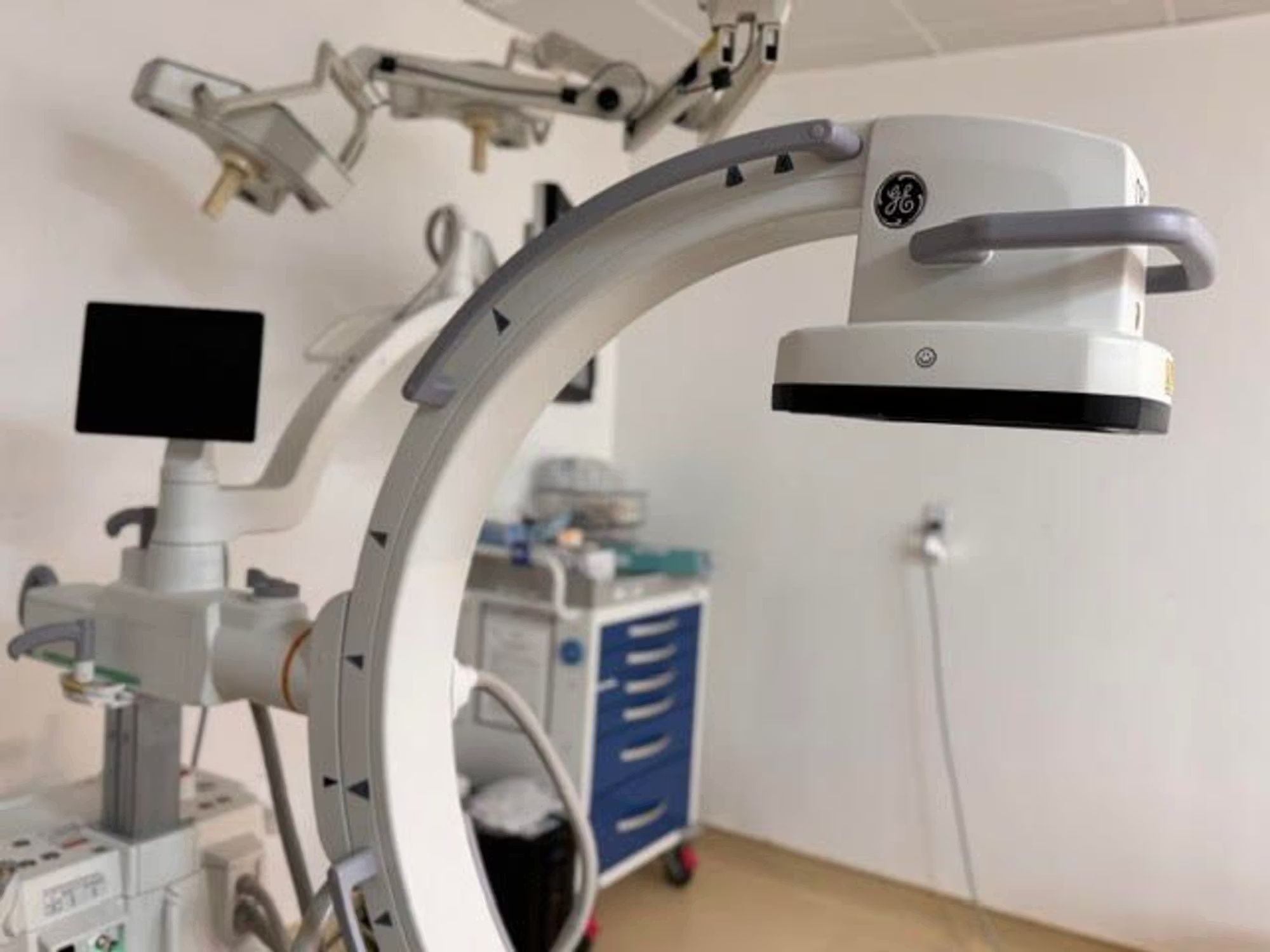
Traditional spine surgery often involves larger incisions, muscle disruption, and longer healing time. Our endoscopic approach focuses on relieving pressure on the nerve root through the smallest access possible. Using a high definition camera and specialized instruments, we treat the exact source of nerve irritation while protecting surrounding tissue. This allows for less pain, less scarring, and faster pain relief without altering spinal stability.

Minimally Invasive to Support a Smoother Recovery

95% Walk Out the Same Day—with Less Pain

Nearly all patients go home the same day and start light activity right away. There’s no overnight stay and no drawn-out recovery.

95% Walk Out the Same Day—with Less Pain

Say Goodbye To General Anesthesia

Some patients undergoing minimally invasive sciatica nerve surgery can be treated using light sedation and local anesthesia. You remain comfortable and relaxed while avoiding the lingering effects of deeper anesthesia. General anesthesia still remains an option when appropriate.

Say Goodbye To General Anesthesia

Precision Treatment For Your Symptoms

Our endoscopic approach is designed to address:

  • Pain radiating from the lower back into the leg
  • Sciatic pain that worsens with sitting or standing
  • Numbness or tingling in the leg or foot
  • Weakness caused by nerve irritation
  • Symptoms of sciatica linked to nerve compression
  • Reduced mobility due to severe pain

Meet ESINY

Meet Your Team Transforming the World of Spine Surgery

ESINY leads the way in endoscopic spine treatment. Our award-winning doctors focus on treating the exact source of your symptoms with exceptional precision, potentially longer-lasting results, fewer side effects, and recoveries often faster than traditional surgery or injections.

With decades of combined experience, our internationally recognized team has presented at more than 500 conferences — including the North American Spine Society and the Society for Minimally Invasive Spine Surgery — and published over 300 papers in peer-reviewed medical journals. They’ve also earned honors such as Honorary Member of the American Academy of Neurological and Orthopedic Surgeons, giving you access to precision medicine supported by unmatched expertise.

What To Expect

Your consultation includes a detailed discussion of your symptoms, a physical exam, and a careful review of your imaging. We explain what is actually causing your sciatic nerve pain and whether endoscopic surgery is appropriate.

When surgery is recommended, we walk you through every step. Our minimally invasive approach uses a very small incision (under 1 cm) and avoids large muscle dissection. Some patients only need local anesthesia, and 95% return home the same day.

After your procedure, your ESINY physician personally follows up to check your progress and answer questions, so you feel supported throughout recovery.

What To Expect
Candidate Icon

Are You a Candidate?

Many patients come to us after trying injections, physical therapy, or medication without lasting relief. Others have been told to wait or prepare for more invasive surgery. If sciatica symptoms are caused by pressure on a nerve root rather than instability, you may be a candidate for precise endoscopic treatment. Every case receives individual evaluation with the goal of relieving pain while preserving long-term function.

Join the 30,000+ Patients Who Have Found Relief

CONTACT US

Endoscopic Spine Surgery

Frequently Asked Questions

Endoscopic sciatica treatment is a minimally invasive surgical option that targets the exact source of sciatic nerve irritation. Using a small camera and specialized tools, our spine surgeons access the area where nerves are compressed and relieve pressure through a tiny incision, without large tissue disruption.

This technique allows ESINY spine specialists to treat sciatica pain with precision and minimal trauma. 95% of patients go home the same day, experience less postoperative discomfort, and recover faster compared to traditional spine surgery.

Traditional surgery often requires larger incisions, extensive muscle dissection, and longer recovery. Our minimally invasive techniques focus on decompressing irritated nerve roots while preserving healthy structures and avoiding unnecessary hardware.

Injections can reduce inflammation temporarily, but do not correct structural nerve compression. Endoscopic sciatica treatment addresses the root cause by freeing the nerve rather than masking symptoms.

Symptoms of sciatica include leg pain, burning or tingling sensations, numbness, weakness, and discomfort that travels along the sciatic nerve path. Symptoms vary depending on where the nerve is affected.

Sciatica pain most often results from disc herniation, spinal stenosis, bone overgrowth, or inflammation that narrows nerve pathways near the spinal cord. Less commonly, conditions like piriformis syndrome can contribute.

Yes. When performed by experienced surgeons, endoscopic sciatica surgery often carries a lower risk than open procedures, with less bleeding, fewer complications, and quicker recovery.

Some patients undergo treatment with local anesthesia and light sedation. General anesthesia remains available based on preference and medical needs.

Most patients return home the same day and resume light activity quickly. Improvement in sciatica symptoms often begins early, with recovery times shorter than traditional surgery.

Most patients report mild soreness rather than intense pain. Heavy pain medication is rarely required.

The incision is under 1 cm and typically heals with minimal visible scarring.

Endoscopic spine surgery requires specialized training, and few centers perform it at a high level for sciatica treatment.

Yes. In many cases, results match or exceed those of open procedures. By relieving nerve pressure while preserving anatomy, patients often regain mobility and comfort sooner.

You Deserve to Know Your Options

Your path to reclaiming your life starts here.

Find out why endoscopic spine surgery is right for you

Contact Us