


- Avoid activities that load, flex, or extend the cervical spine under force, contact sports, overhead lifting, and extreme range-of-motion movements top the list.
- Daily posture habits (tech neck, stomach sleeping, heavy bags) are often more damaging over time than any single activity, because they create sustained, cumulative compression.
- Staying active matters, safe alternatives like walking, water aerobics, and neutral-position resistance training support your spine rather than threatening it.
- Diet, smoking, weight, and chronic stress are real aggravators of cervical stenosis symptoms; managing systemic inflammation is a legitimate part of spine health.
- Neurological red flags, grip loss, gait instability, bladder changes, require immediate evaluation, not watchful waiting.
Knowing what to avoid with cervical spinal stenosis can be the difference between managing your condition confidently and accidentally making it worse. This guide covers the activities, habits, exercises, diet choices, and trendy treatments that can aggravate cervical spinal stenosis, along with practical, spine-safe alternatives so you can stay active and feel in control of your health. If you're exploring endoscopic cervical stenosis treatment, it helps to know what aggravates the condition day to day, and what doesn't.
What Cervical Spinal Stenosis Actually Does to Your Neck
Cervical spinal stenosis occurs when the spinal canal in your neck narrows, compressing the spinal cord or the nerve roots that branch off it. Even a small reduction in that space can press on sensitive neural tissue and trigger cervical stenosis symptoms.
Understanding what aggravates cervical spinal stenosis starts with understanding this anatomy. When the canal is already compromised, certain neck positions, movements, and loads reduce that remaining space further, and that's when symptoms flare or, in serious cases, neurological function becomes at risk. There's an important distinction between temporary discomfort and genuine neurological danger. The sections below explain both.
Activities to Avoid with Cervical Spinal Stenosis

Certain activities create real mechanical risk for a spine with a narrowed cervical canal, not just discomfort. These are among the most important things to avoid with spinal stenosis across all activity categories.
Contact and High-Impact Sports
Contact sports, football, wrestling, rugby, ice hockey, are among the highest-risk activities to avoid with cervical spinal stenosis. A tackle, collision, or fall can generate sudden axial loading or whiplash forces that cause acute cord compression in a canal that has no room to spare.
Even a single traumatic event in a patient with significant stenosis can trigger myelopathy or, in rare severe cases, lasting neurological damage. Diving into shallow water carries similar risk. If imaging confirms your stenosis, talk with your spine specialist before you consider continuing these sports.
Heavy Overhead Lifting and Loaded Neck Exercises
Overhead pressing movements, military press, dumbbell shoulder press, barbell push press, drive compressive forces directly down through the cervical spine. Barbell back squats with the bar resting on the trapezius muscles create a similar problem: the weight loads through the spine from above, narrowing the already-reduced canal space. These are activities that make cervical stenosis worse because the axial load has nowhere to go when the canal is structurally compromised.
Extreme Neck Flexion and Extension Movements
Gymnastics, certain yoga inversions (headstands, shoulder stands, wheel pose), somersaults, and bungee jumping all force the cervical spine into hyperflexion or hyperextension. During hyperextension, the ligamentum flavum at the back of the canal buckles inward, further narrowing the spinal canal and directly compressing the cord.
During extreme flexion, the cord itself is stretched and the anterior canal space is reduced. Neurological symptoms like sudden hand weakness, tingling in both arms, or loss of balance during any activity are immediate red flags to stop.
Exercises to Avoid, and the Safer Alternatives That Actually Work
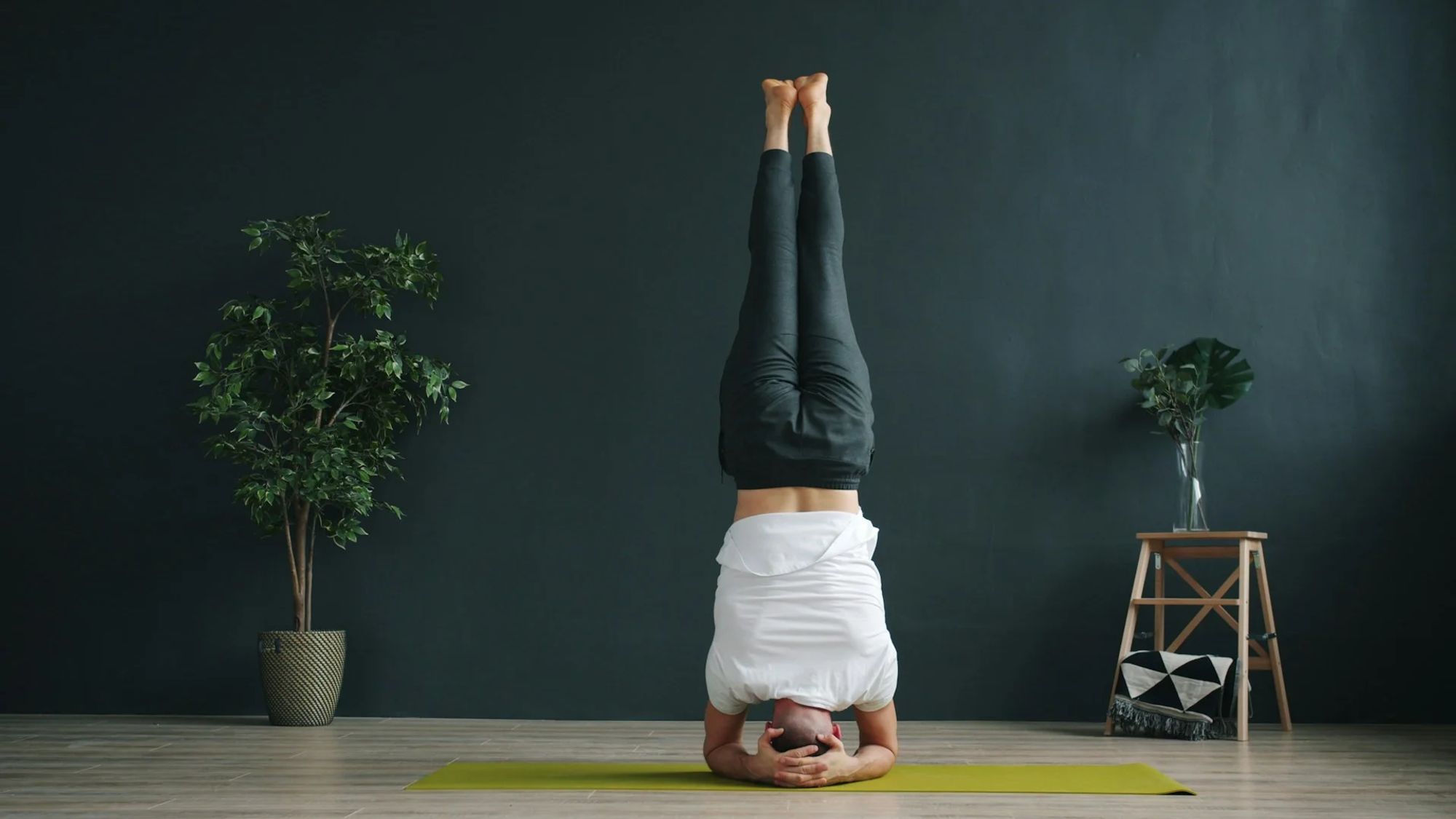
Yes, you can still exercise with cervical spinal stenosis. The key is choosing exercises that keep your neck in a neutral, protected position and avoid axial impact or extreme ranges of motion. A physical therapist can walk you through safe exercises for cervical stenosis suited to your specific case.
Worth knowing: there are more safe, effective alternatives than most patients expect.
- Walking supports cardiovascular health, maintains a natural upright posture, and puts zero compressive load on the neck.
- Stationary cycling with upright handlebars properly adjusted keeps the neck neutral.
- Water aerobics is particularly valuable because buoyancy reduces spinal load while still delivering cardiovascular and muscular benefit; research confirms that aquatic therapy significantly reduces spinal loading compared to land-based exercise.
- Swimming can work, but freestyle stroke requires careful management of neck rotation, a spine-specialized physical therapist can advise on technique modifications.
- Gentle resistance training with dumbbells in a neutral neck position, targeting the shoulders, arms, and core without overhead mechanics, is generally well-tolerated.
Complete inactivity is not the answer. Avoiding movement long-term weakens the deep cervical stabilizer muscles that support your spine, and evidence consistently shows that inactivity worsens stenosis outcomes over time. A physical therapist experienced in spine conditions should build your individualized program.
Daily Habits and Postures That Quietly Make Cervical Stenosis Worse
What aggravates cervical spinal stenosis most often isn't a single dramatic event, it's the accumulation of small, repeated postural stresses throughout the day.
How Looking at Your Phone or Computer Worsens Cervical Stenosis Over Time
When your head drops forward to look at a phone or a monitor placed too low, the effective weight your cervical spine must support increases dramatically. Research shows that at 60 degrees of forward head tilt, the functional load on the cervical spine reaches approximately 60 lbs, far beyond the roughly 10–12 lbs your head actually weighs.
Over hours of daily screen use, this sustained pressure on an already-narrowed canal steadily drives symptom progression. Raise your screen to eye level, take frequent breaks, and be conscious of how often your chin is dropping toward your chest.
Is Side Sleeping Safe, and What Pillow Should You Use?
Side sleeping can be safe for cervical stenosis, but only with the right pillow height. The goal is to keep your neck in neutral alignment, not tilted up toward the ceiling or sagging down toward the mattress.
A pillow that's too high or too low shifts the cervical spine out of neutral and sustains that pressure for hours. Back sleeping with a cervical-contour pillow is generally considered the most protective position for a narrowed canal. Avoid stomach sleeping without exception: it forces the neck into sustained rotation and extension, compressing the already-limited canal space for the entire night.
Sleep position is only part of it. The same small, cumulative stresses show up at your desk, in your car, and on the couch. Heavy bags carried on one shoulder, monitors positioned below eye level, and chairs without adequate support all contribute to the daily cumulative load that quietly drives symptom progression.
What to Avoid in Your Diet and Lifestyle (The Overlooked Factors)

Diet and lifestyle choices are a worthwhile, often overlooked part of managing cervical spinal stenosis.
Systemic inflammation amplifies nerve pain. When your body is in a pro-inflammatory state, nerve tissue that's already under mechanical pressure becomes significantly more reactive, meaning the same degree of stenosis can produce far more severe symptoms.
According to the CDC National Center for Health Statistics, adults age 19 and older consumed 53.0% of their calories from ultra-processed foods, a dietary pattern that promotes inflammation and can directly aggravate conditions like cervical spinal stenosis.
Excess body weight increases mechanical load on the entire spine and accelerates the degenerative changes that drive stenosis progression. Smoking is a direct structural threat: it impairs the nutrient exchange that keeps intervertebral discs healthy, accelerating disc degeneration and making the underlying structural problem worse over time.
A sedentary lifestyle weakens the deep cervical stabilizer muscles that offload mechanical stress from the spine itself. Chronic stress, often underestimated, increases sustained muscle tension around the cervical spine, compressing an already-compromised canal further.
What to avoid with cervical stenosis goes beyond activity restrictions. Diet, weight management, smoking cessation, and stress management are legitimate clinical considerations for anyone managing this condition.
Inversion Tables and Trendy Treatments: What to Be Careful With
Inversion tables are widely marketed for spinal decompression, but the case for inversion tables and cervical stenosis looks different than the case for inversion tables and lumbar stenosis. The neck isn't designed for traction in full inversion, and for someone with an already-narrowed cervical canal, this presents risk without reliable benefit. This is a key distinction from lumbar stenosis: the cervical spine simply does not respond the same way.
Aggressive chiropractic manipulation of the cervical spine is another area requiring caution. High-velocity manipulation has specific contraindications with moderate-to-severe stenosis, where the canal has minimal tolerance for sudden positional stress. Gentle cervical mobilization may be appropriate for some patients, but only after a spine specialist has reviewed your imaging and cleared the approach.
Percussion massage guns applied directly to the cervical spine can irritate already-inflamed nerve roots. DIY cervical traction devices purchased online are only appropriate when prescribed and fitted by a physical therapist who understands your specific anatomy. No device that applies force to the neck should be used without professional guidance when stenosis is present.
Warning Signs That Mean You Need to Stop and Seek Care Immediately
Some symptoms signal that cervical stenosis has moved beyond discomfort into neurological territory requiring immediate attention.
Typical cervical stenosis discomfort includes neck stiffness, arm or hand numbness, and headaches that follow predictable patterns. These deserve evaluation and management, but they differ from red-flag symptoms indicating cord compression or progressive myelopathy.
Stop the activity and seek evaluation urgently if you experience: sudden loss of grip strength or hand dexterity following exertion or impact; balance problems or difficulty walking in a straight line; any change in bladder or bowel function; rapidly worsening neurological symptoms in both arms or legs; or severe, new radiating arm pain after a fall, lift, or contact event.
Myelopathy warning signs (bilateral arm weakness, gait instability, bladder changes) carry higher urgency than isolated radiculopathy (one-sided arm pain and numbness). Both conditions produce better outcomes with early specialist evaluation. If any of these symptoms follow an activity you've attempted, don't wait to be seen.
FAQs About Things To Avoid With Cervical Spinal Stenosis
What activities are safe with cervical spinal stenosis?
Many low-impact activities are safe with cervical spinal stenosis, including walking, stationary cycling, swimming (with care about neck rotation), water aerobics, and gentle resistance training that keeps the neck in a neutral position. The key is avoiding any activity that creates axial loading, extreme neck positions, or sudden impact. Always get your specific exercise program approved by a spine-specialized physical therapist.
How much weight can I safely lift with cervical spinal stenosis?
There's no single universal weight limit, it depends on your specific stenosis severity, your symptoms, and your muscle conditioning. Overhead lifting and barbell back squats are generally contraindicated. Most spine specialists recommend avoiding any lift that causes neck pain, tingling, or arm symptoms during or after the movement. Work with a physical therapist to establish your individual safe loading thresholds based on your imaging and presentation.
Is it safe to sleep on my side with cervical stenosis?
Side sleeping can be safe for cervical stenosis if you use a pillow that keeps your neck in neutral alignment, not angled up or sagging down. Stomach sleeping is the position to avoid because it forces the neck into sustained rotation and extension, compressing the already-narrowed canal throughout the night. Back sleeping with a cervical-contour pillow is generally considered the most protective position for someone managing cervical stenosis.
What aggravates cervical spinal stenosis the most?
The most common aggravators include head-forward posture at screens, prolonged downward gaze at a phone, heavy lifting with spinal loading, high-impact or contact sports, stomach sleeping, smoking, and systemic inflammation driven by a diet high in ultra-processed foods and saturated fat. Everyday habits like carrying a heavy bag on one shoulder or working at a poorly set-up desk can steadily worsen symptoms over time without any single dramatic incident.
Can cervical stenosis get worse if I ignore the warning signs?
Yes. Cervical stenosis is typically a progressive condition, and continuing activities that repeatedly compress the spinal cord or nerve roots can accelerate that progression. Ignoring neurological warning signs, such as grip weakness, balance problems, or bladder changes, risks progression to cervical myelopathy. Earlier evaluation gives you more options, and consistently produces better outcomes than waiting until symptoms become severe.
Get in Touch Today
If any of these red flags sound familiar, or you'd simply like a second opinion on your imaging, our team is happy to help you sort out next steps, whether that means a visit to our New York spine practice or a virtual consultation.
This post was written and reviewed by Sanjay Konakondla, MD. Sanjay Konakondla is a leading endoscopic spine surgeon and a founding partner of the Endoscopic Spine Institute of New York.
ESINY is the nation’s first and only endoscopic spine institute and is solely focused on the smallest spine surgery possible. With the world-renowned neurosurgeons at ESINY and the specialized surgery they have perfected, you can feel confident that you will have the best chance at getting back to the life you deserve with the least amount of surgery.
Call us now at 518 708 6300 or email us directly at contact@esiny.com to schedule a consultation.