


Cervical spinal stenosis is one of those conditions that can sneak up on you. It starts with something that feels pretty ordinary, like a stiff neck or some mild soreness, and slowly builds from there. Over time, the narrowing of the spinal canal can start pressing on nerves and even the spinal cord, which is when things tend to feel more serious.
The important part is catching it early. The sooner you understand what’s going on, the more options you usually have to manage it without it taking over your daily life. Endoscopic Spine Institute of New York - Endoscopic Spine Surgery Experts often sees patients at different stages of this, and the earlier it’s addressed, the better the outcomes tend to be.
Understanding Cervical Spinal Stenosis
At its core, cervical spinal stenosis just means there isn’t enough space in the spinal canal in your neck anymore. That space is meant to protect the spinal cord and nerves, but when it gets narrow, things start to get compressed.
Usually, it manifests itself in two ways:
- Nerve root compression, which often causes pain, tingling, or weakness in the arm
- Serious spinal cord compression that can affect balance, coordination, and overall movement
The problem is that it does not always cause severe pain. Sometimes it’s just subtle changes in how your body feels or moves. That’s why ESINY pays attention to those early neurological signs before things progress.

Common Symptoms of Cervical Spinal Stenosis
Symptoms don’t always show up all at once. They tend to build gradually, which makes them easy to brush off at first.
Neck and Upper Body Signs
A lot of people first notice things like:
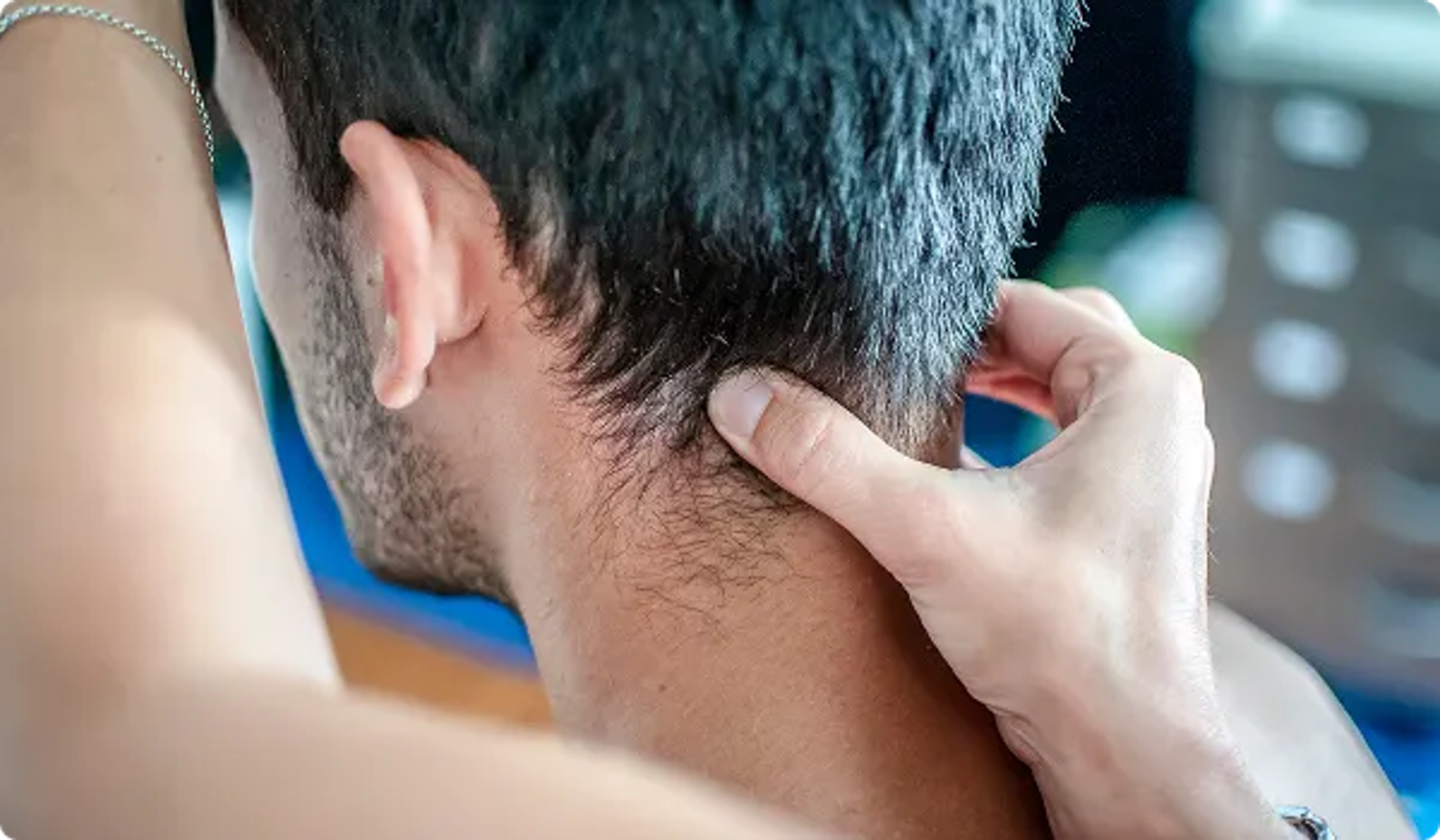
- A stiff or tight neck that doesn’t really go away
- Pain that spreads into the shoulders or upper back
- Less flexibility when turning or tilting the head
It often feels like normal muscle tension at first, which is why it gets ignored.
Symptoms in the Arms and Hands
Once nerves start getting irritated, things can shift a bit:
- Tingling or numbness in the fingers or hands
- Weak grip or dropping things more often
- Trouble with small tasks like writing or fastening buttons
When this starts happening, it usually means the nerves are getting more involved. That’s typically when people end up getting evaluated at places like ESINY for a closer look.
More Advanced Signs
If the spinal cord itself is affected, symptoms can include:
- Trouble with balance or feeling unsteady while walking
- Coordination issues or increased clumsiness
- A general feeling that your hands or legs are slower or less responsive
These are the kinds of symptoms that shouldn’t be brushed off.
What Causes Cervical Spinal Stenosis
Most of the time, this condition develops slowly as the spine changes over the years. It’s usually not caused by just one thing.
Common causes include:
- Natural wear and tear on spinal discs
- Bulging or herniated discs that take up space
- Bone spurs from arthritis
- Thickened ligaments in the spinal canal
- Old injuries or repetitive strain on the neck
It’s often a combination of these factors rather than a single cause. At ESINY, the goal is usually to identify exactly what’s contributing, so treatment can be more targeted.
How Cervical Spinal Stenosis Is Diagnosed
Diagnosis usually starts pretty simply, then moves into imaging if needed.
Doctors typically:
- Check strength, reflexes, and sensation
- Look at balance and coordination
- Order an MRI to see how much narrowing is happening and where the pressure is
The imaging part is important because symptoms alone don’t always tell the full story. ESINY uses detailed imaging and evaluation to get a clearer picture before deciding on next steps.
Top Strategies for Pain Relief in Cervical Spinal Stenosis
There isn’t just one way to deal with cervical spinal stenosis. A lot depends on how far it’s progressed and how much it’s affecting daily life.
1. Posture and Everyday Habits
This might sound simple, but it really does matter.
- Keep screens at eye level instead of looking down all day
- Use supportive chairs and pillows that keep your neck aligned
- Take breaks if you’re sitting for long periods
These small changes can reduce constant strain on the neck.
2. Physical Therapy and Gentle Movement
Physical therapy is usually a big part of the plan.
It often includes:
- Strengthening the neck and upper back
- Stretching to improve flexibility
- Guided exercises that help with alignment and movement
ESINY often incorporates these conservative approaches into a broader treatment plan, especially in earlier stages.
3. Medications for Short-Term Relief
Medication doesn’t fix the underlying issue, but it can help you get through flare-ups.
Common options include:
- Anti-inflammatory medication to reduce swelling
- Pain relievers for short-term discomfort
It’s usually more about managing symptoms while other treatments do the longer-term work.
4. Targeted Non-Surgical Treatments
If symptoms continue, some patients may need additional support.
This can include:
- Injections to reduce inflammation around irritated nerves
- Other minimally invasive treatments to improve comfort and movement
These are usually considered when basic conservative care isn’t enough on its own. ESINY specialists often help guide patients on whether these options make sense, given the severity.
5. Advanced Minimally Invasive Options
When cervical spinal stenosis progresses, more advanced treatment may be needed, but that doesn’t always mean traditional open surgery anymore.
At ESINY, one of the options used is endoscopic cervical decompression. Instead of a large incision, a small tube is used to reach the problem area and relieve pressure on the spinal cord.
The idea is pretty straightforward:
- Take pressure off the spinal cord without destabilizing the spine
- Avoid large cuts and heavy muscle disruption
- Support a quicker recovery, with many patients going home the same day
The focus isn’t just on easing pain. It’s also about protecting nerve function long term, especially when early signs of compression are starting to show up.

Why Early Treatment Matters
Cervical spinal stenosis tends to move slowly, but that doesn’t mean it stays mild forever.
If left unaddressed, it can result in:
- Balance problems progressively worsening
- Increasing weakness of hands or arms
- More serious nerve problems over time
Initial assessment at ESINY can truly make a difference by providing you with more treatment options before it gets too bad.
Can Cervical Spinal Stenosis Be Slowed Down?
You can’t completely stop every cause, but you can often slow things down and better manage symptoms.
A few helpful habits include:
- Keeping good posture throughout the day
- Staying active with low-impact exercise like walking or swimming
- Not ignoring early neck pain or stiffness
- Managing arthritis or spine-related conditions with medical guidance
It’s really about consistency more than anything else.

When to Seek Medical Attention
It’s worth getting checked if you notice things like:
- Weakness in your arms or hands
- Trouble with balance or walking
- Ongoing numbness or tingling
- Neck pain that doesn’t improve with rest
These signs can point to nerve or spinal cord involvement, and that’s something you don’t want to wait on. ESINY typically evaluates these cases to understand how advanced the condition may be.
Cervical spinal stenosis doesn’t usually show up overnight, but it can slowly start affecting how you move and feel every day. The good news is that there are a range of ways to deal with it, depending on how early it’s caught.
From posture changes and physical therapy to minimally invasive procedures, the goal is always the same: reduce pressure, protect nerve function, and help you stay as active as possible.
If symptoms are starting to affect your daily life, getting evaluated early at Endoscopic Spine Institute of New York - Endoscopic Spine Surgery Experts can help you understand what’s going on and what your options really are before things progress further.
This post was written and reviewed by Sanjay Konakondla, MD. Sanjay Konakondla is a leading endoscopic spine surgeon and a founding partner of the Endoscopic Spine Institute of New York.
ESINY is the nation’s first and only endoscopic spine institute and is solely focused on the smallest spine surgery possible. With the world-renowned neurosurgeons at ESINY and the specialized surgery they have perfected, you can feel confident that you will have the best chance at getting back to the life you deserve with the least amount of surgery.
Call us now at 518 708 6300 or email us directly at contact@esiny.com to schedule a consultation.