


When people hear “spine surgery,” most still picture the old-school version: big incision, long hospital stay, weeks of recovery, and a lot of “don’t do anything for a while.”
That used to be the norm. But spine surgery has changed a lot.
At ESINY, endoscopic surgery is part of a newer approach that aims to address the underlying problem (usually a pinched nerve) without causing more damage than necessary to surrounding tissues.
And the question most patients ask right away is pretty simple:
How successful is endoscopic spine surgery, really?
The honest answer: it depends. But in the right patients, the results are often very good.
Let’s break it down in a more practical way.
How successful is endoscopic surgery?
The response depends on the ailment, the severity of nerve compression, and the surgeon's experience. However, research and patient outcomes suggest that endoscopic spine surgery can achieve great results for carefully selected patients without many of the drawbacks of open surgery.
ESINY uses ultra-minimally invasive endoscopic spine operations to treat a variety of spinal diseases with minimal tissue damage, faster recovery, and preserved spinal motion.
What Is Endoscopic Surgery?
Endoscopic spine surgery uses a tiny camera, an endoscope, that is inserted into the spine through a very small incision, often less than 1 cm.
Instead of opening everything up, the surgeon works through a small “portal,” watching the procedure on a screen and using specialized tools to treat the exact area causing the pain.
Most of the time, the goal is simple:
take pressure off a nerve.
That’s it.
Because of how it’s done, patients often experience:
- Smaller incisions
- Less muscle damage
- Less blood loss
- Lower post-op pain
- Faster recovery
- Often same-day discharge
- Minimal scarring
Compared to traditional open spine surgery, it’s a very different experience. Open surgery usually involves more muscle disruption and, in some cases, fusion with screws or rods.
Endoscopic surgery tries to avoid that when possible.
Why More Patients Are Choosing Endoscopic Surgery
Most people don’t specifically look for endoscopic surgery. They come in because something hurts and won’t go away.
Common reasons include:
- Ongoing back or neck pain
- Sciatica down the leg
- Tingling or numbness
- Weakness in arms or legs
- Trouble walking or standing for long
- Nerve compression seen on imaging
- Wanting to avoid fusion surgery if possible
Many of these symptoms stem from a very specific issue: a nerve being pinched at a single spot.
And in many cases, that’s exactly what endoscopic surgery targets.
How Successful Is Endoscopic Surgery?
This is where expectations matter.
Success in spine surgery isn’t just “did the MRI look better?” It’s more about:
- Pain relief
- Nerve symptom improvement (numbness, tingling, weakness)
- Ability to move and function normally again
- Getting back to work or daily life
- Fewer complications
- Overall patient satisfaction
Across studies and clinical outcomes, success rates for endoscopic spine surgery are often reported in the range of about 80% to 95%, depending on:
- The condition being treated
- How severe the nerve compression is
- The patient’s overall health
- Surgeon experience
- Whether the diagnosis is very accurate
Most patients who do well report improvements like:
- Less leg pain from sciatica
- Reduced arm pain from neck issues
- Better walking tolerance
- Improved sleep
- Easier daily movement
But it’s important to be realistic here: it’s not magic, and it’s not right for everyone.
If the spine is severely unstable or structurally damaged, more extensive surgery may still be needed.
Conditions Commonly Treated With Endoscopic Surgery
Endoscopic techniques are most commonly used for conditions in which a nerve is pinched or irritated.
Herniated Disc Treatment
A herniated disc occurs when disc material protrudes and presses on a nerve.
That can cause:
- Sharp pain
- Numbness
- Tingling
- Weakness
- Pain that travels down the arm or leg
With endoscopic discectomy, the surgeon removes the part of the disc causing the pressure while leaving as much healthy tissue alone as possible.
Many patients like this approach because recovery is often faster and less painful than open surgery.
Sciatica and Lumbar Radiculopathy
Sciatica is basically nerve pain that runs down the leg, usually from the lower back.
It can feel like:
- Burning pain down the leg
- Tingling or “pins and needles”
- Weakness
- Pain when standing or walking
Instead of treating just the symptoms, endoscopic surgery targets the exact spot where the nerve is being irritated.
For some patients, this can mean faster relief and a quicker return to walking comfortably.
Cervical Radiculopathy
Cervical radiculopathy is when nerves in the neck get compressed and symptoms travel into the shoulder, arm, or hand.
Common symptoms include:
- Arm pain
- Hand numbness
- Tingling
- Weak grip strength
Traditional surgery often involves fusion procedures, such as ACDF. These are still quite effective when necessary, but not every situation necessitates removing and fusing a complete disk.
Endoscopic cervical procedures can sometimes relieve pressure while preserving spinal motion.
Cervical Spinal Stenosis
Cervical spinal stenosis occurs when the space in the neck narrows, pressing on nerves or the spinal cord.
Symptoms can include:
- Neck pain
- Balance issues
- Hand coordination problems
- Weakness
Because this condition can progress, timing matters. Endoscopic decompression may be an option in select cases to reduce pressure with less disruption.
Degenerative Disc Disease
Degenerative disc disease sounds scary, but it’s really just wear and tear over time.
It can lead to:
- Stiffness
- Chronic pain
- Nerve irritation
- Reduced mobility
But here’s something important: degeneration on an MRI does not automatically mean you need fusion.
Often, the real issue is still a pinched nerve, which may be treatable in a less invasive way.
Thoracic Disc Herniation
Thoracic disc herniations occur in the middle of the spine and are less prevalent than cervical or lumbar disc issues.
Because of the complexity of the thoracic spine's architecture, thoracic surgery has traditionally necessitated more intrusive treatments.
Modern endoscopic procedures now offer less-invasive options for some patients.
Potential benefits include:
- Smaller incisions
- Reduced tissue disruption
- Lower recovery burden
- Faster return to activity
Patients researching advanced minimally invasive approaches for thoracic spine conditions can explore available treatment information through ESINY’s condition pages.
What Factors Affect Endoscopic Surgery Success Rates?
Although endoscopic surgery has shown strong outcomes, a few things make a big difference.
Surgeon Experience
Endoscopic spine surgery is very technical. It takes training and repetition to get consistently good results.
Experience often affects:
- Precision of decompression
- Complication rates
- Recovery quality
- Overall outcomes
Patient Selection
This is probably the most important factor.
Endoscopic surgery works best when:
- The problem is clearly identified
- The issue is localized nerve compression
- There is no major instability or deformity
It may not be ideal if:
- The spine is severely unstable
- There is multi-level structural damage
- Fusion or reconstruction is clearly needed
Timing
Waiting too long can sometimes make recovery harder.
If a nerve is compressed for a long time, it can lead to:
- Ongoing numbness
- Weakness
- Muscle loss
- Slower recovery
Early evaluation usually gives more treatment options.
Endoscopic Surgery vs Traditional Open Spine Surgery
One reason endoscopic procedures continue to gain attention is their lower surgical impact compared to open surgery.
Incision Size and Tissue Damage
Traditional open surgery often requires:
- Large incisions
- Muscle stripping
- Extensive tissue exposure
Endoscopic procedures, in contrast, use tiny portals that preserve surrounding structures whenever possible.
This difference may significantly affect:
- Post-operative pain
- Recovery time
- Blood loss
- Scar formation
Recovery Time
Open surgery recovery may involve:
- Longer hospitalization
- Increased pain medication use
- Extended rehabilitation
- Delayed return to activity
Many endoscopic patients return home the same day and begin walking shortly after surgery.
Fusion vs Motion Preservation
Fusion is sometimes necessary. If the spine is unstable, it can be the right solution.
But in cases where the issue is just nerve compression, endoscopic surgery may help avoid fusing the spine and losing motion.
What Recovery Looks Like After Endoscopic Surgery
Recovery experiences vary depending on the condition treated and the individual patient.
However, many patients appreciate that endoscopic surgery is often associated with shorter recovery periods than traditional open procedures.
Immediate Recovery
After surgery, many patients experience:
- Walking within hours
- Same-day discharge
- Minimal incision discomfort
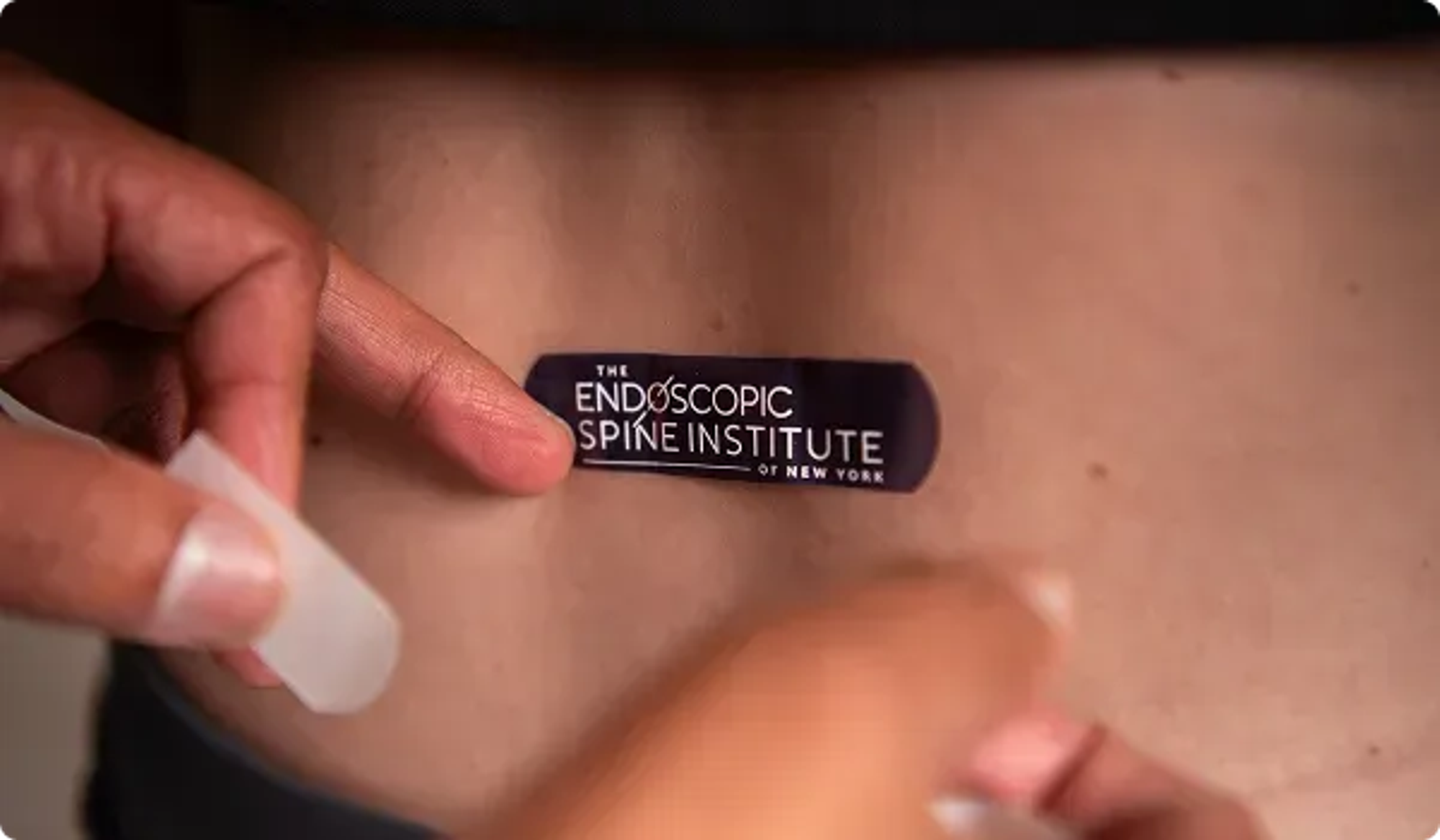
- Smaller bandages
- Faster mobility
Returning to Daily Activities
Recovery timelines vary, but many patients resume light activities more quickly than after open surgery.
Post-operative plans may include:
- Walking programs
- Physical therapy
- Activity modifications
- Gradual return to exercise
Long-Term Recovery
Nerve healing can continue for weeks or months after decompression.
Some symptoms improve quickly, while others gradually recover as irritated nerves calm down over time.
Following post-operative instructions remains important for achieving the best possible outcome.
Risks and Limitations of Endoscopic Surgery
Even though it’s minimally invasive, it’s still surgery.
Possible risks include:
- Infection
- Bleeding
- Nerve irritation
- Recurrent disc herniation
- Incomplete symptom relief
And again, it’s not suitable for every case.
Some conditions still require traditional surgery or fusion.
Why Endoscopic Surgery Continues to Grow in Popularity
A lot of patients today want:
- Less pain
- Faster recovery
- Smaller procedures
- Less disruption to the body
- Options that preserve motion when possible
And technology has enabled treating certain spine problems in a much more targeted way than before.
Questions to Ask Before Choosing Endoscopic Surgery
Before deciding on any spinal procedure, patients should have detailed conversations with their surgeon.
Important questions may include:
- Am I a candidate for endoscopic surgery?
- Is fusion necessary in my case, or just one option?
- What results are realistic for my condition?
- What are the risks for me specifically?
- How experienced is the surgeon with this procedure?
- What does recovery usually look like in real life?
The answers to those questions matter more than any general statistic.
So, how successful is endoscopic spine surgery? For the right patients, it can be very successful, often with strong pain relief and faster recovery compared to traditional open surgery. But the key isn’t just the technique itself. It’s matching the right patient to the right procedure at the right time. That’s really what determines outcomes more than anything else. At ESINY, the focus is on carefully evaluating each case to see whether a minimally invasive endoscopic approach makes sense or whether another treatment would be more appropriate. In spine care, the goal isn’t to perform the smallest surgery possible. It’s doing the right one for the actual problem.
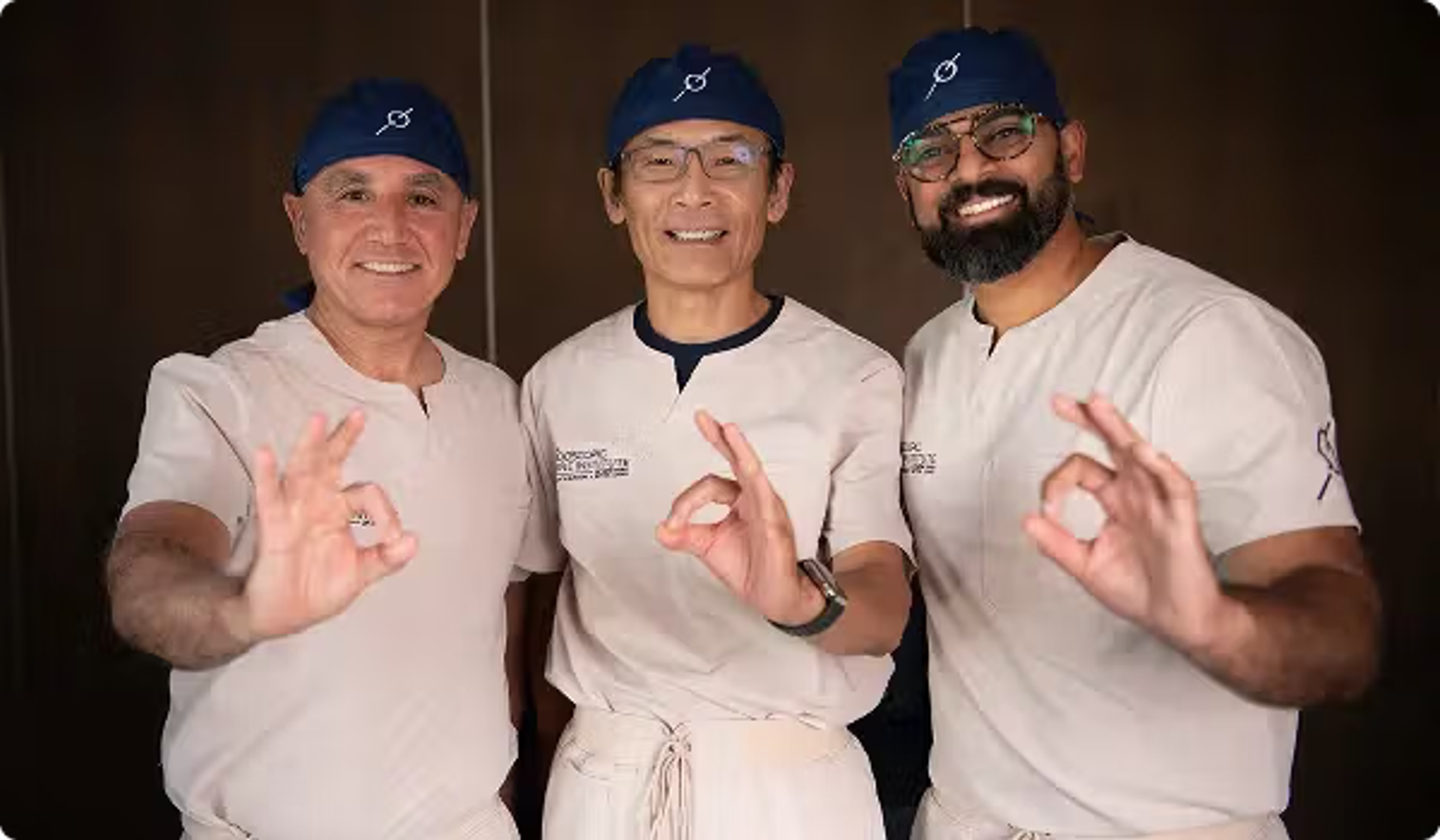
This post was written and reviewed by Sanjay Konakondla, MD. Sanjay Konakondla is a leading endoscopic spine surgeon and a founding partner of the Endoscopic Spine Institute of New York.
ESINY is the nation’s first and only endoscopic spine institute and is solely focused on the smallest spine surgery possible. With the world-renowned neurosurgeons at ESINY and the specialized surgery they have perfected, you can feel confident that you will have the best chance at getting back to the life you deserve with the least amount of surgery.
Call us now at 518 708 6300 or email us directly at contact@esiny.com to schedule a consultation.